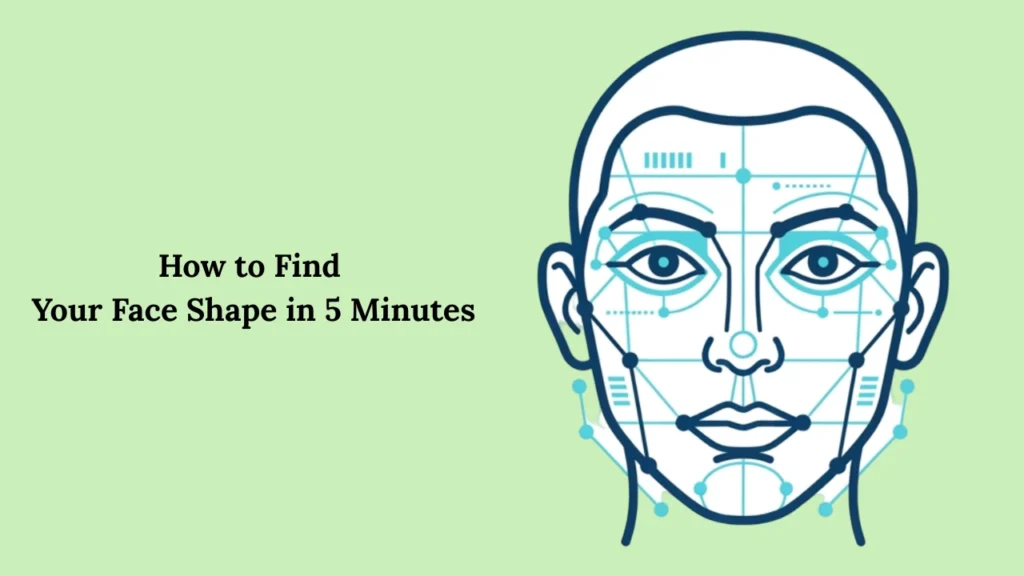
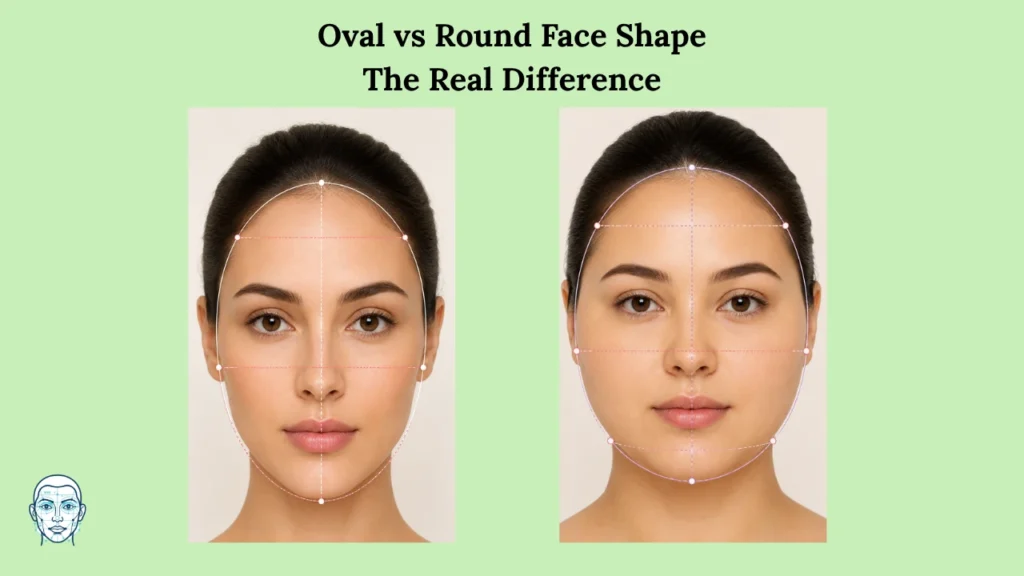
Type “rate my face AI” into a search bar and you’ll find dozens of apps promising an instant attractiveness score — often out of 10, sometimes framed as a “PSL” (a popularity scale borrowed from online rating communities), usually with a breakdown of your jawline, symmetry, and skin.
They’re everywhere right now, and they feel objective: a number, generated by a computer, with no room for personal bias. But is that actually true? We looked at the published research comparing these tools against real human judgment, and the honest answer is more complicated than any app’s landing page will tell you.
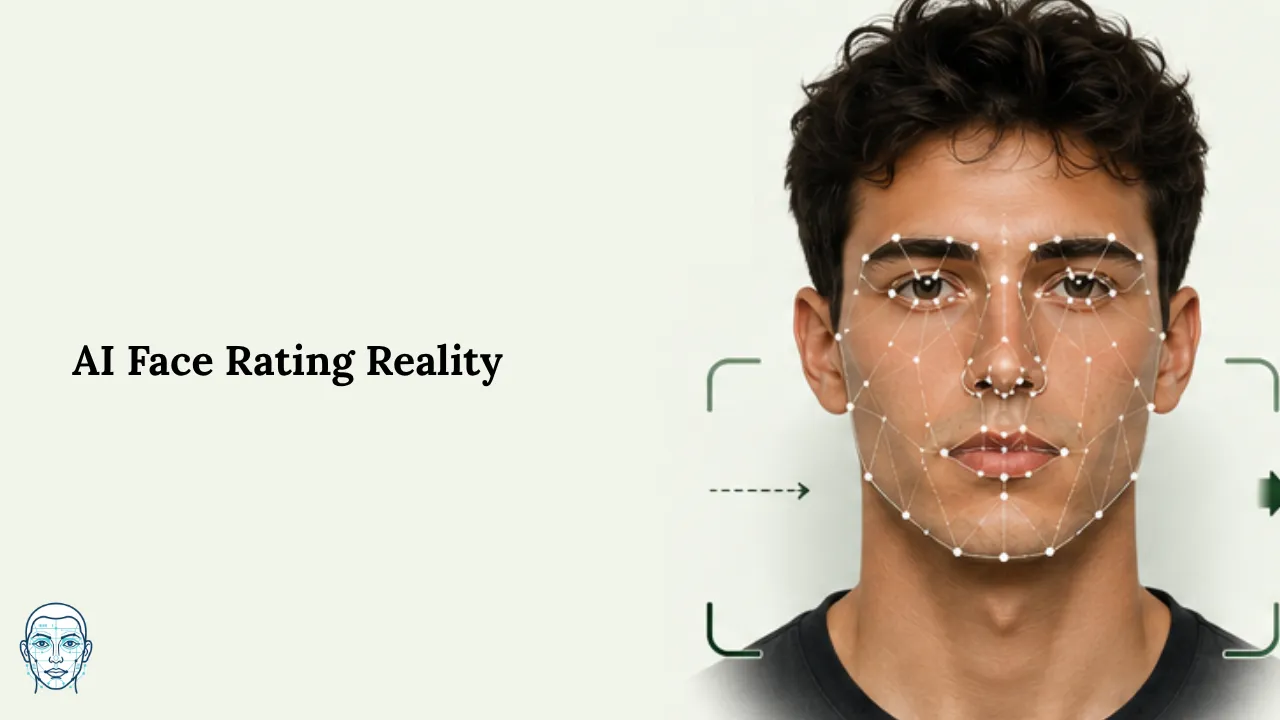
How AI face Rate Apps Actually Work
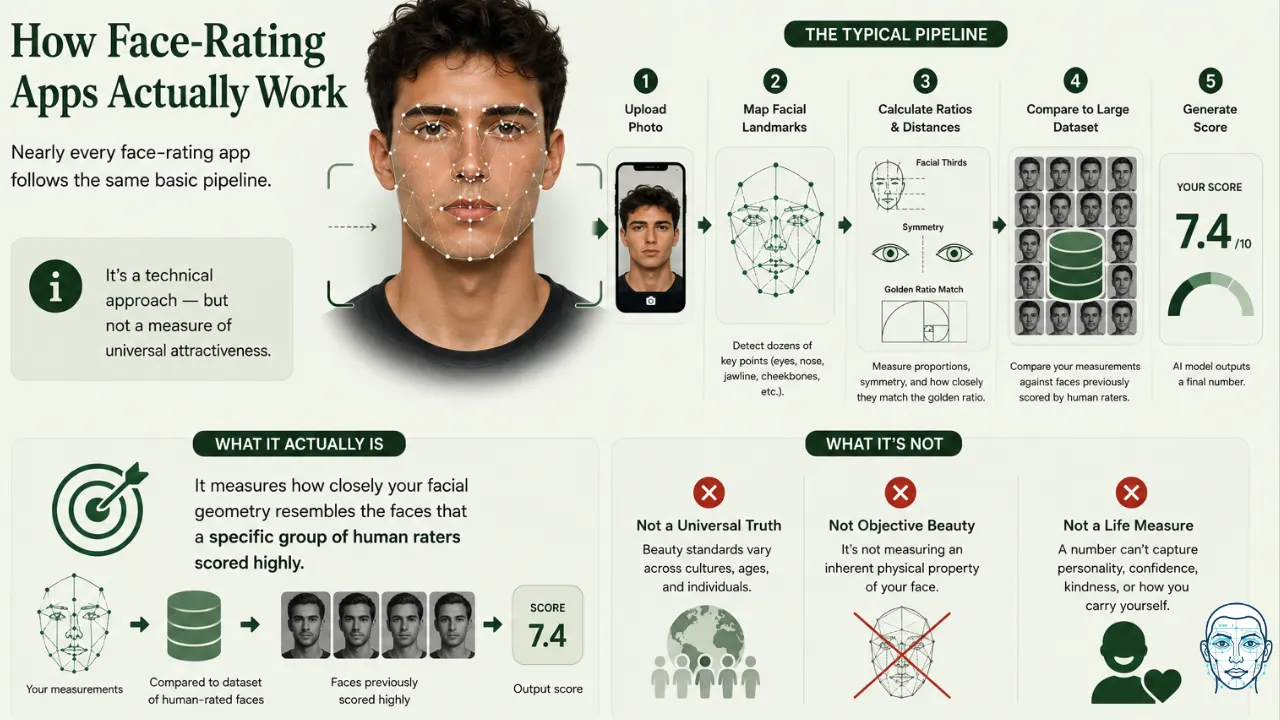
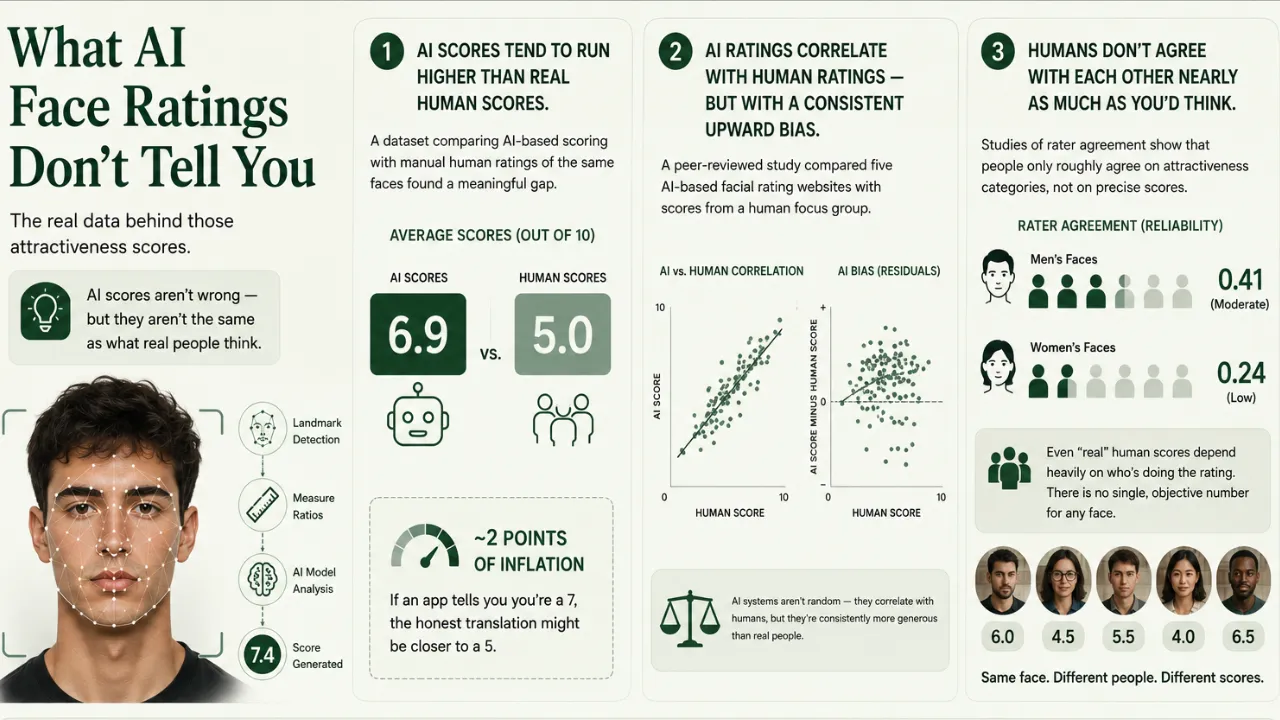
Nearly every face-rating app follows the same basic pipeline. You upload a front-facing photo, the app maps dozens of facial landmarks (eyes, nose, jawline, cheekbones), then it calculates ratios and distances between those points — things like facial thirds (whether your face divides evenly into forehead, midface, and lower third), symmetry between the left and right sides, and how closely your proportions match the golden ratio, a mathematical proportion sometimes associated with classical ideas of beauty. A trained model then compares your measurements against a large dataset of faces that were previously scored by humans, and spits out a final number.
That’s genuinely a reasonable technical approach — it’s just worth being clear about what it actually is. It’s not measuring “attractiveness” as some universal, physical property of your face. It’s measuring how closely your geometry resembles the faces that a specific group of human raters, at some point, happened to score highly.
What the Research Actually Says
This is where things get more interesting than any single app’s marketing copy suggests.
AI scores tend to run higher than real human scores. A dataset comparing AI-based attractiveness scoring against manual human ratings of the same faces found a meaningful gap — AI scores averaged roughly 6.9 out of 10, while human raters scoring the same faces averaged closer to 5.0. That’s nearly a two-point inflation. If an app tells you you’re a 7, the honest translation, based on this comparison, might be closer to a 5.
A peer-reviewed study found AI ratings correlate with human ratings — but with a consistent upward bias. Researchers compared five different AI-based facial rating websites against scores from a human focus group evaluating the same set of faces. The result: a real, statistically significant correlation between AI and human scores existed, but the AI systems were consistently biased toward higher values than the humans gave. In plain terms — the AI wasn’t making up random numbers, but it also wasn’t neutral; it skewed generous compared to real people.
Individual humans don’t agree with each other nearly as much as you’d expect, either. Research using statistical measures of rater agreement has found that while people broadly agree on rough attractiveness categories, agreement on precise, individual scores is far weaker than most people assume — particularly for rating women’s faces, where studies have found notably low consistency between individual raters. In other words: even a “real,” human-generated attractiveness score depends heavily on who’s doing the rating, which undercuts the entire premise that there’s one true, objective number for any face to begin with.
The Bias Problem: Whose Standard Is the AI Actually Using?
This is the part most face-rating apps don’t mention. Investigative reporting on a widely used AI face-rating system found it consistently scored darker-skinned faces lower than lighter-skinned ones, and rated faces with features more common in European ancestry — lighter hair, smaller noses — higher, regardless of how attractive independent viewers actually found the image.
The underlying reason is straightforward: these models are trained on datasets of faces that were previously rated by humans, and if those human raters carried cultural or racial bias (consciously or not), the AI learns and repeats that exact bias at scale, dressed up as an objective, mathematical score.
This matters beyond any one flawed dataset. It’s a structural problem with training any model on subjective human judgments and then presenting the output as neutral fact.
What These Apps Genuinely Can’t Measure
Even researchers and cosmetic specialists who take facial aesthetics seriously as a field draw a sharp line here: a still photo can capture geometry, but it can’t capture expression, warmth, movement, personal style, grooming choices, or the countless context-dependent factors that shape how a real person perceives another real person in the real world. One facial plastic surgeon who tested an AI scanner on his own photo described the gap well: the tool scored his smile and expression as his strongest asset, yet that same warmth barely moved his overall structural score — because a static image genuinely can’t capture what a real conversation or a genuine smile actually communicates.
Score volatility backs this up in a very practical way, too: the same person, photographed in different lighting, at a slightly different angle, or with a different expression, can receive noticeably different scores from the exact same app. That’s not your face changing — it’s measurement noise, the same landmark-detection wobble that affects any computer-vision system working from a single 2D image.
So, Is Any of This Useful?
Somewhat — with real caveats. Where AI genuinely performs well is consistent, repeatable structural measurement: identifying where your eyes, jaw, and cheekbones sit, and calculating objective ratios between them. That’s precisely the kind of task computer vision is good at, and it’s also exactly what a real face shape detector does — mapping your actual proportions against defined categories (oval, round, square, heart, diamond, oblong, triangle), rather than trying to compress your entire face into a single, contestable beauty score.
The distinction matters: a face shape result is a description, not a judgment. There’s no “good” or “bad” face shape, only categories with different, genuinely useful style implications for hair, glasses, and grooming. An attractiveness score, by contrast, is presenting a fundamentally subjective, culturally variable human judgment as if it were an objective physical measurement — and the research above shows that pretense doesn’t hold up well once you actually check it against real people’s opinions.
A Word on Why This Matters Beyond Curiosity
It’s worth naming directly: these apps aren’t always used lightly. Reporting on this space has documented AI attractiveness scores being used in genuinely troubling contexts — from unmoderated livestreams where teenagers are rated and ridiculed in real time, to documented cases where a low AI-generated score has been used as a tool within controlling or emotionally abusive relationships.
A number generated by an algorithm can carry an illusion of scientific authority that a person’s opinion alone never would — even though, as the research above shows, that number is measuring something far shakier and more biased than it appears.
If a low score from one of these apps has genuinely affected how you feel about yourself, that reaction is worth taking seriously — not by chasing a higher number, but by talking to someone you trust, or a counselor if it’s weighing on you. The score was never a real measurement of your worth to begin with.
Why “Rate My Face” Culture Took Off in the First Place
It’s worth understanding the broader context these apps launched into. Face-rating tools didn’t appear in a vacuum — they emerged alongside, and often directly plug into, the “looksmaxxing” subculture, an online appearance-optimization community that treats attractiveness as something to measure, rank, and improve. Several of these apps explicitly market themselves this way, pairing a face score with a “glow-up plan” covering skincare, grooming, jawline exercises, and sometimes far more extreme recommendations.
That framing matters, because it changes what a score is actually being used for: not casual curiosity, but often a starting point for a much longer chain of appearance-focused decisions, some of which — as covered in more depth in our looksmaxxing explainer — range from reasonable self-care to genuinely unproven or risky territory.
A Practical Way to Read Any AI Face Score
If you’ve already tried one of these tools, or you’re planning to, a few things are worth keeping in mind so a number doesn’t carry more weight than it deserves:
- Compare within the same tool, not across different apps. Since every app trains on a different dataset and weighs features differently, a 7/10 on one app and a 6/10 on another aren’t measuring the same thing — they’re not even using the same scale in any meaningful sense.
- Treat a score change as a photo-quality signal, not a face-quality signal. If your score shifts by a full point between two selfies, the more useful question isn’t “did I get more attractive,” it’s “what changed about the lighting, angle, or expression.”
- Watch for apps that sell you the fix to the problem they just diagnosed. A number of face-rating tools are directly tied to supplement sales, skincare product lines, or paid “coaching” — which is worth factoring into how objective any given low score, and its recommended solution, actually is.
Quick Recap
AI face-rating apps use real computer vision techniques — landmark detection, ratio and symmetry calculation — but the “attractiveness” score they generate is built on the same subjective, culturally biased human judgments used to train them, not an objective physical fact. Published research shows these scores run measurably higher than real human ratings, carry documented racial bias, and shift noticeably based on lighting and angle alone. What AI is genuinely good at is structural measurement — which is exactly what a real face shape result gives you, without pretending to rank your worth in the process.
Frequently Asked Questions
Are AI face-rating apps actually accurate?
They’re consistent in measuring facial geometry, but published research shows their attractiveness scores run notably higher than real human ratings — one comparison found AI scores averaging nearly two points higher, on a 10-point scale, than human raters scoring the same faces.
Why did my AI face score change between two different photos of me?
Lighting, camera angle, and expression all affect how accurately the app’s landmark-detection system can map your face. A different score between two photos usually reflects that measurement noise, not any real change in your face.
Do AI face-rating apps have bias?
Yes, documented bias exists. Investigative research on at least one widely used AI rating system found it consistently scored darker-skinned faces lower and favored features more common in European ancestry, reflecting bias present in the human-rated data the model was trained on.
What’s the difference between a face shape detector and a face-rating app?
A face shape detector measures real physical proportions (like forehead, cheekbone, and jaw width) against defined categories — oval, round, square, and so on — without ranking attractiveness. A face-rating app compresses your entire face into a single beauty score, which research shows is a far less objective, far more biased measurement.
What is a PSL score?
PSL is an informal attractiveness rating scale, typically out of 10, borrowed from online rating communities and used by many AI face-rating apps as their scoring format. It isn’t a scientific or standardized measurement.
Can AI measure the golden ratio in my face?
Yes — this is one of the more straightforward calculations these apps perform, comparing facial proportions against the golden ratio (roughly 1.618). However, the golden ratio’s actual link to attractiveness has been repeatedly overstated in popular coverage and isn’t established as a firm scientific standard.
Why do humans disagree with each other about attractiveness too?
Research measuring agreement between individual human raters has found that consistency on precise attractiveness scores is much lower than commonly assumed, especially for rating women’s faces — which means even a “real” human-generated score depends heavily on who’s doing the rating.
Should I be worried about a low score from one of these apps?
No app score reflects your actual worth, and the research here shows these tools are measuring something far shakier than they present. If a low score has genuinely affected how you feel, it’s worth talking to someone you trust rather than chasing a different number.
Explore Your Face Shape
Upload one photo and get your face shape — analyzed on your device, nothing ever uploaded anywhere.
Explore all tools →